How AI Transforms Data Into Actionable Business Intelligence
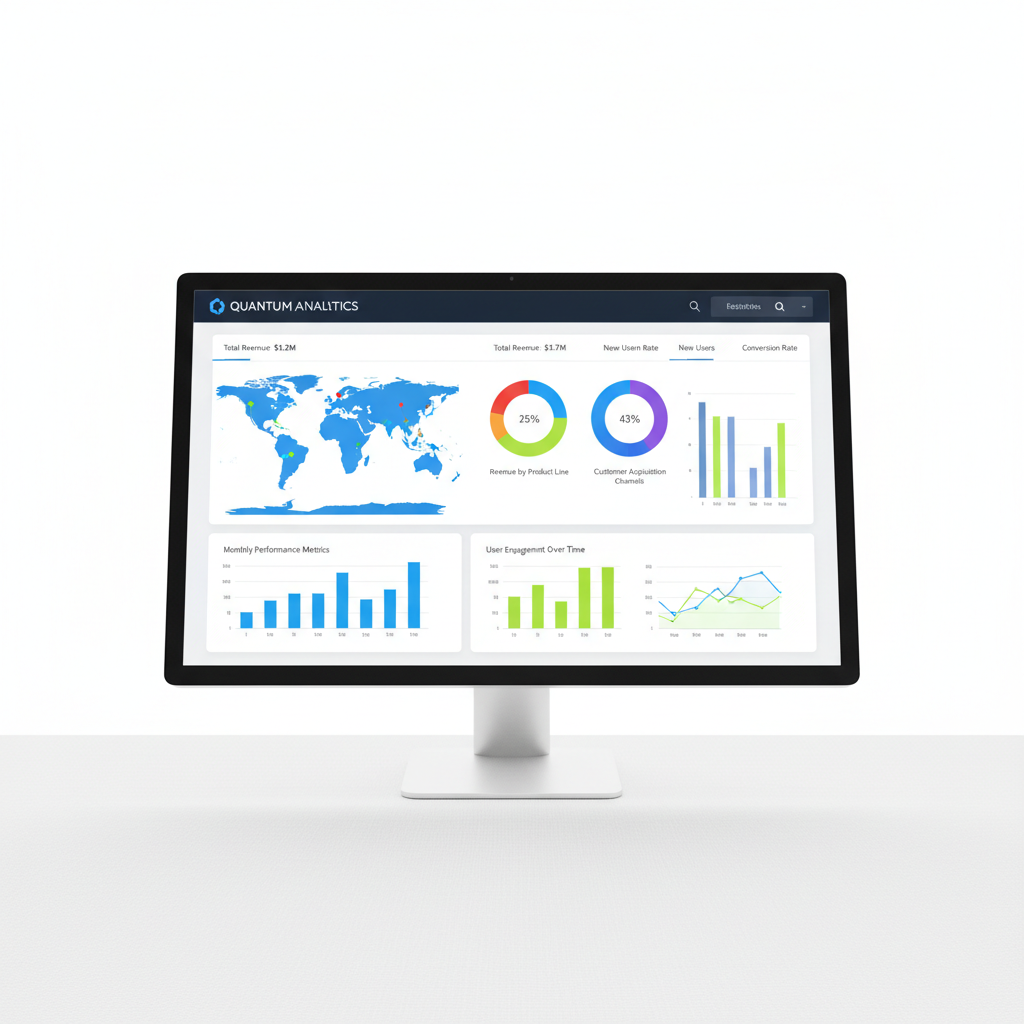
Every business generates massive amounts of data, but most struggle to extract meaningful insights from it. AI-powered analytics bridges this gap, automatically identifying patterns, trends, and opportunities that would take humans weeks or months to discover—if they could find them at all.
The Data Challenge
Traditional business intelligence tools require significant manual effort—data cleaning, report building, and interpretation. By the time insights are ready, market conditions may have changed. AI transforms this reactive approach into proactive intelligence.
Modern businesses collect data from dozens of sources: sales systems, customer interactions, website analytics, social media, inventory systems, and more. AI integrates these disparate data sources and finds connections that reveal the complete business picture.
How AI Analyzes Business Data
Pattern Recognition: AI algorithms scan historical data to identify patterns in customer behavior, sales cycles, operational efficiency, and market trends. These patterns become the foundation for predictions and recommendations.
Anomaly Detection: AI continuously monitors data streams to identify unusual patterns that might indicate problems or opportunities. A sudden change in customer behavior, unexpected inventory movement, or unusual transaction patterns trigger automatic alerts.
Predictive Modeling: Machine learning models use historical data to forecast future outcomes—sales projections, customer churn probability, inventory needs, and cash flow. These predictions become more accurate over time as the models learn from new data.
Natural Language Insights: Instead of complex dashboards, AI presents insights in plain language. "Your top customer segment is showing 15% decline in engagement this month" or "Inventory levels for Product X will be insufficient in 3 weeks based on current sales velocity."
Real-World Applications
Sales Intelligence: AI analyzes customer interactions, purchase history, and engagement patterns to identify high-value opportunities. Sales teams receive prioritized lead lists with probability scores and recommended actions. Result: 35% increase in conversion rates.
Customer Retention: AI predicts which customers are at risk of churning based on behavior changes, support interactions, and usage patterns. Businesses can proactively address issues before losing customers. Result: 40% reduction in customer churn.
Operational Efficiency: AI identifies bottlenecks, inefficiencies, and optimization opportunities in business processes. A manufacturing company discovered that adjusting production schedules based on AI recommendations reduced costs by 25%.
Financial Planning: AI analyzes cash flow patterns, seasonal trends, and market conditions to provide accurate financial forecasts. Small businesses use this for better budgeting, investment decisions, and growth planning.
Getting Started with AI Analytics
Start with a specific business question: "Why are customers leaving?" "Which products should we promote?" "Where are we losing money?" AI analytics tools can focus on answering these questions with your existing data.
Ensure data quality: AI is only as good as the data it analyzes. Invest time in cleaning and organizing your data sources. Most AI platforms include data preparation tools that automate much of this work.
Choose accessible tools: Modern AI analytics platforms are designed for business users, not data scientists. Look for solutions with intuitive interfaces, automated insights, and clear visualizations.
Iterate and expand: Start with one area of your business, prove the value, then expand to other functions. Each success builds confidence and demonstrates ROI.
AI-powered business intelligence is no longer optional for competitive businesses. The ability to make data-driven decisions quickly and accurately is the difference between leading your market and struggling to keep up. Your data contains the answers—AI helps you find them.