AI in Marketing: Trends in Personalization and Customer Engagement
Generic marketing is dead. Today's consumers expect personalized experiences tailored to their preferences, behavior, and needs. AI makes this level of personalization possible at scale, enabling small businesses to deliver marketing experiences that rival enterprise giants.
The Personalization Imperative
Studies show that 80% of consumers are more likely to purchase from brands that offer personalized experiences. Yet most small businesses struggle to deliver personalization due to resource constraints.
AI changes this equation. It analyzes customer data—browsing behavior, purchase history, email engagement, social media interactions—to create detailed profiles and predict preferences. This happens automatically, in real-time, for every customer.
AI-Powered Marketing Applications
Email Personalization: AI customizes email content, subject lines, send times, and product recommendations for each recipient. Instead of one email blast, you send thousands of personalized messages. Result: 40-50% increase in open rates and 30% increase in click-through rates.
Content Recommendations: AI analyzes what content each visitor engages with and recommends related articles, products, or resources. E-commerce sites see 30% increase in average order value through AI-powered product recommendations.
Dynamic Website Experiences: AI adjusts website content, layout, and calls-to-action based on visitor behavior and profile. First-time visitors see different content than returning customers. High-value leads see different messaging than casual browsers.
Predictive Lead Scoring: AI analyzes lead behavior and characteristics to predict conversion probability. Sales teams focus on high-probability leads, improving efficiency and conversion rates by 35-40%.
Automated Campaign Optimization: AI continuously tests and optimizes ad copy, images, targeting, and bidding strategies. Marketing budgets become 40-50% more efficient as AI eliminates underperforming campaigns and doubles down on winners.
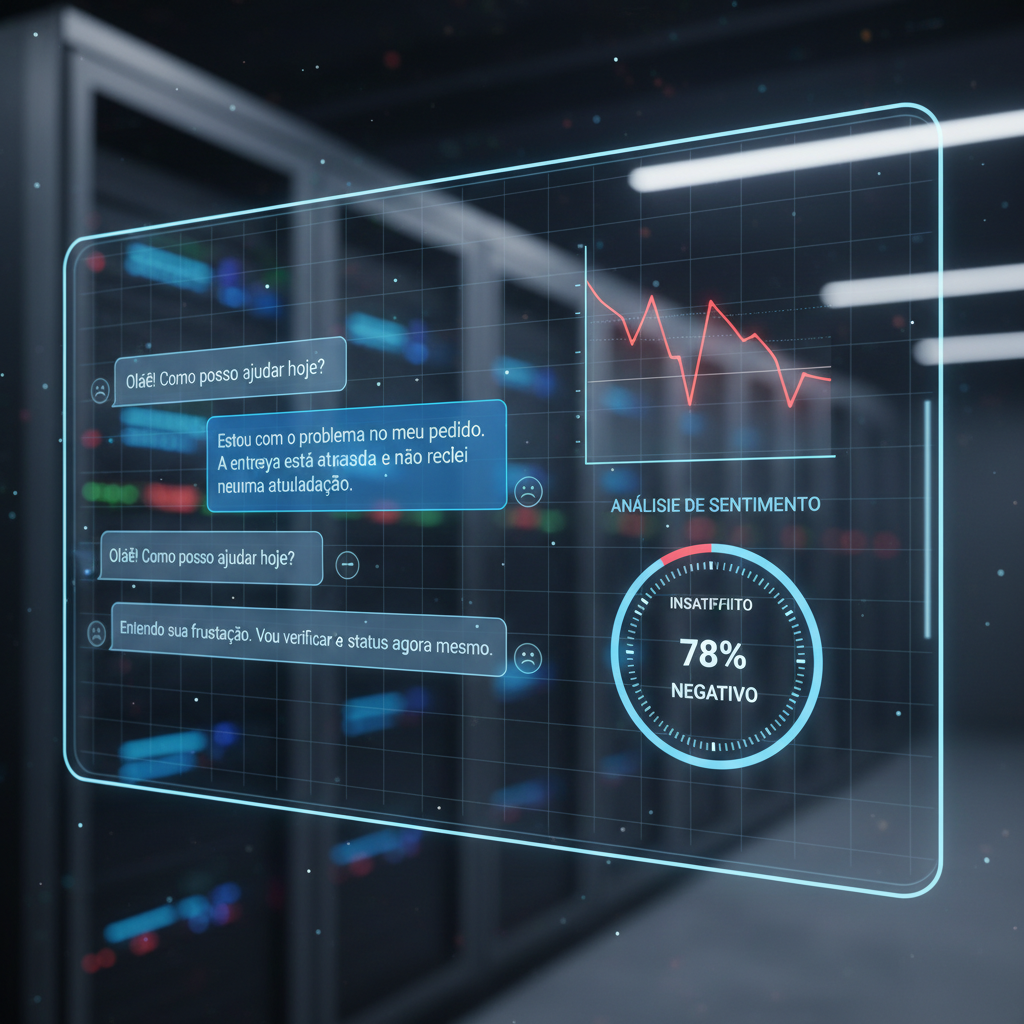
Chatbot Marketing: AI chatbots engage website visitors, qualify leads, answer questions, and guide them through the buyer journey. This proactive engagement increases conversion rates by 30-40%.
Customer Journey Orchestration
AI maps the entire customer journey—from first awareness through purchase and beyond. It identifies where customers drop off, what content moves them forward, and when they're ready to buy.
This intelligence enables automated journey orchestration: the right message, on the right channel, at the right time. A customer who abandons their cart receives a personalized email with a special offer. A customer who reads three articles about a topic receives a case study and consultation offer.
Businesses using AI journey orchestration report 50% increase in conversion rates and 40% increase in customer lifetime value. The customer experience feels seamless and personalized, not automated.
Content Creation and Optimization
AI assists with content creation—generating blog posts, social media updates, product descriptions, and ad copy. While human oversight remains important, AI dramatically accelerates content production.
More importantly, AI optimizes content for performance. It analyzes which headlines, images, and calls-to-action perform best, then applies these insights to future content. Your marketing gets smarter over time.
A small e-commerce business used AI to generate and optimize product descriptions. Result: 25% increase in organic search traffic and 20% increase in conversion rates.
Getting Started with AI Marketing
Begin with email personalization—it delivers quick wins and builds confidence. Most email platforms now include AI-powered personalization features.
Implement AI chatbots on your website to engage visitors and qualify leads. This provides immediate value and generates data for further personalization.
Use AI analytics to understand customer behavior and identify high-value segments. This intelligence informs all your marketing decisions.
Gradually expand to content recommendations, predictive lead scoring, and campaign optimization. Each step builds on previous successes.
AI has democratized sophisticated marketing capabilities. Small businesses can now deliver personalization and engagement that was previously possible only for enterprises with large marketing teams and budgets. The competitive advantage goes to businesses that embrace AI marketing tools and use them strategically to understand and serve their customers better.