The Future of Work: AI Collaboration Trends for 2026 and Beyond

The narrative that AI will replace human workers is fundamentally wrong. The reality is far more interesting: AI is becoming a collaborative partner that augments human capabilities, handles routine tasks, and enables people to focus on creative, strategic, and interpersonal work. This collaboration is reshaping the workplace in profound and positive ways.
The Augmentation Paradigm
AI excels at tasks requiring speed, accuracy, and pattern recognition. Humans excel at creativity, empathy, strategic thinking, and complex problem-solving. The most effective workplaces combine these complementary strengths.
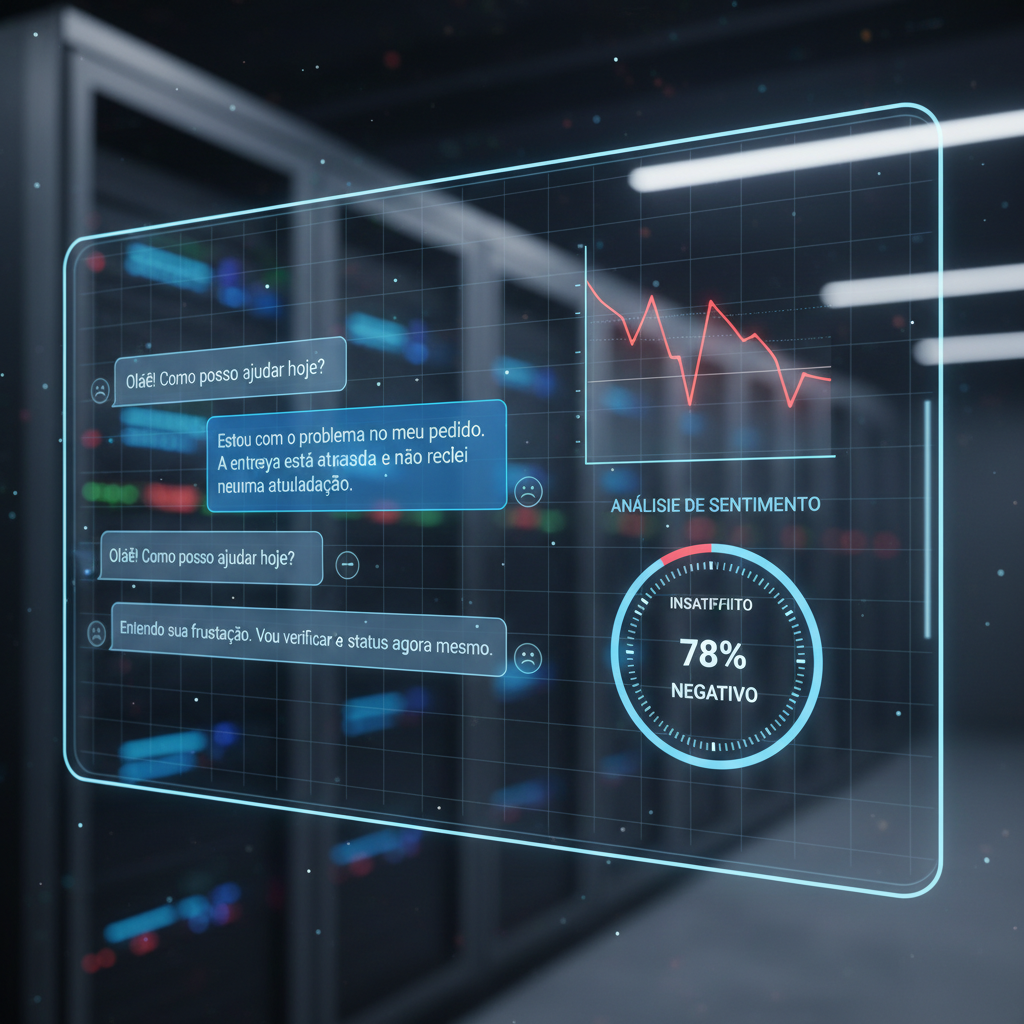
Consider a customer service team: AI handles routine inquiries instantly, freeing human agents to focus on complex issues requiring empathy and creative problem-solving. The result is faster service, higher customer satisfaction, and more fulfilling work for the team.
This pattern repeats across functions: AI assists marketers with data analysis and content creation, allowing them to focus on strategy and creativity. AI helps salespeople prioritize leads and automate follow-ups, freeing them to build relationships. AI supports analysts with data processing, enabling them to focus on insights and recommendations.
AI as a Collaborative Tool
Modern AI tools are designed for collaboration, not replacement. They provide suggestions, automate routine tasks, and surface insights—but humans make the final decisions.
AI writing assistants help create content faster, but humans provide the strategy, creativity, and brand voice. AI design tools generate options quickly, but humans select and refine based on aesthetic judgment and brand guidelines.
This collaborative approach delivers the best of both worlds: the speed and efficiency of AI combined with human judgment, creativity, and emotional intelligence.
Emerging Collaboration Patterns
AI Meeting Assistants: AI joins meetings to take notes, track action items, and summarize key decisions. Team members focus fully on discussion rather than note-taking. After meetings, everyone receives a summary with assigned tasks and deadlines.
AI Research Partners: Instead of spending hours searching for information, employees ask AI assistants to research topics and summarize findings. A task that took half a day now takes 15 minutes.
AI Project Managers: AI tracks project progress, identifies bottlenecks, and suggests optimizations. Project managers focus on team leadership and stakeholder communication rather than administrative tracking.
AI Creative Partners: Designers, writers, and marketers use AI to generate options quickly, then apply human judgment to select and refine. This accelerates creative processes while maintaining quality.
AI Learning Coaches: AI provides personalized training and skill development for employees, adapting to individual learning styles and pace. This democratizes professional development.
The Skills That Matter
As AI handles routine tasks, certain human skills become more valuable: Critical thinking and judgment—deciding which AI suggestions to implement. Creativity and innovation—generating novel ideas and approaches. Emotional intelligence—building relationships and navigating complex interpersonal dynamics. Strategic thinking—seeing the big picture and making long-term decisions. Adaptability—learning new tools and adjusting to changing workflows.
Businesses are investing in developing these skills in their teams. The most successful employees are those who embrace AI as a tool that amplifies their capabilities rather than viewing it as a threat.
The Workplace Transformation
Companies implementing AI collaboration report remarkable changes: 40% increase in productivity as routine tasks are automated. 35% improvement in employee satisfaction as people focus on meaningful work. 50% reduction in burnout as tedious tasks are eliminated. 30% faster project completion through AI-assisted workflows.
Perhaps most importantly, businesses report improved innovation. When teams are freed from routine tasks, they have mental space and time for creative thinking and problem-solving.
A marketing agency implemented AI tools across their operations. The result wasn't job losses—it was business growth. The team became more productive, took on more clients, and the agency hired additional staff to handle the growth.
Preparing for the AI-Augmented Workplace
Start by identifying tasks that consume time but don't require human judgment. These are prime candidates for AI automation, freeing your team for higher-value work.
Invest in training: Help your team understand AI capabilities and learn to use AI tools effectively. This isn't about replacing skills—it's about augmenting them.
Foster an experimentation culture: Encourage teams to try AI tools and share what works. The best applications often come from frontline employees who understand the work intimately.
Focus on outcomes, not activities: Measure success by results achieved, not hours worked. AI enables people to accomplish more in less time—celebrate this efficiency.
The future of work is not humans versus AI—it's humans with AI. Businesses that embrace this collaborative model will have more productive, satisfied, and innovative teams. The competitive advantage goes to organizations that augment their people with AI tools while investing in the uniquely human skills that machines cannot replicate. The future of work is already here, and it's more human than ever.